by tfarino
Share
Share
What Evidence Helps Prove Fault in a Nevada Car Accident

What Evidence Helps Prove Fault in a Nevada Car Accident: Essential Legal Proof for Injury Claims
Proving fault in a car accident is crucial for securing compensation in personal injury claims. In Nevada, the legal framework requires specific types of evidence to establish liability effectively. This article will explore the various forms of evidence that can substantiate fault in a car accident, including witness testimony, police reports, and medical records. Understanding these elements is vital for anyone involved in a car accident, as they can significantly impact the outcome of a claim. We will also discuss how these pieces of evidence work together to create a compelling case for fault determination.
To prove fault in a Nevada car accident, the following types of evidence are necessary:
Establishing fault in a Nevada car accident hinges on several key types of evidence. Each type plays a unique role in demonstrating liability and supporting personal injury claims. The following evidence types are essential:
- Witness Testimony: Eyewitness accounts can provide critical insights into the circumstances surrounding the accident.
- Photographic Evidence: Images of the accident scene can illustrate the conditions and damages involved.
- Police Reports: Official documentation from law enforcement can offer an objective account of the incident.
- Expert Testimony: Professionals can analyze the accident and provide opinions on fault.
- Medical Records: Documentation of injuries can link the accident to the damages claimed.
- Surveillance Footage: Video evidence can capture the events leading up to and during the accident.
Moss Berg Injury Law, a Nevada-based personal injury law firm, specializes in representing individuals injured in car accidents. Their expertise can help navigate the complexities of gathering and presenting this evidence effectively.
Witness Testimony
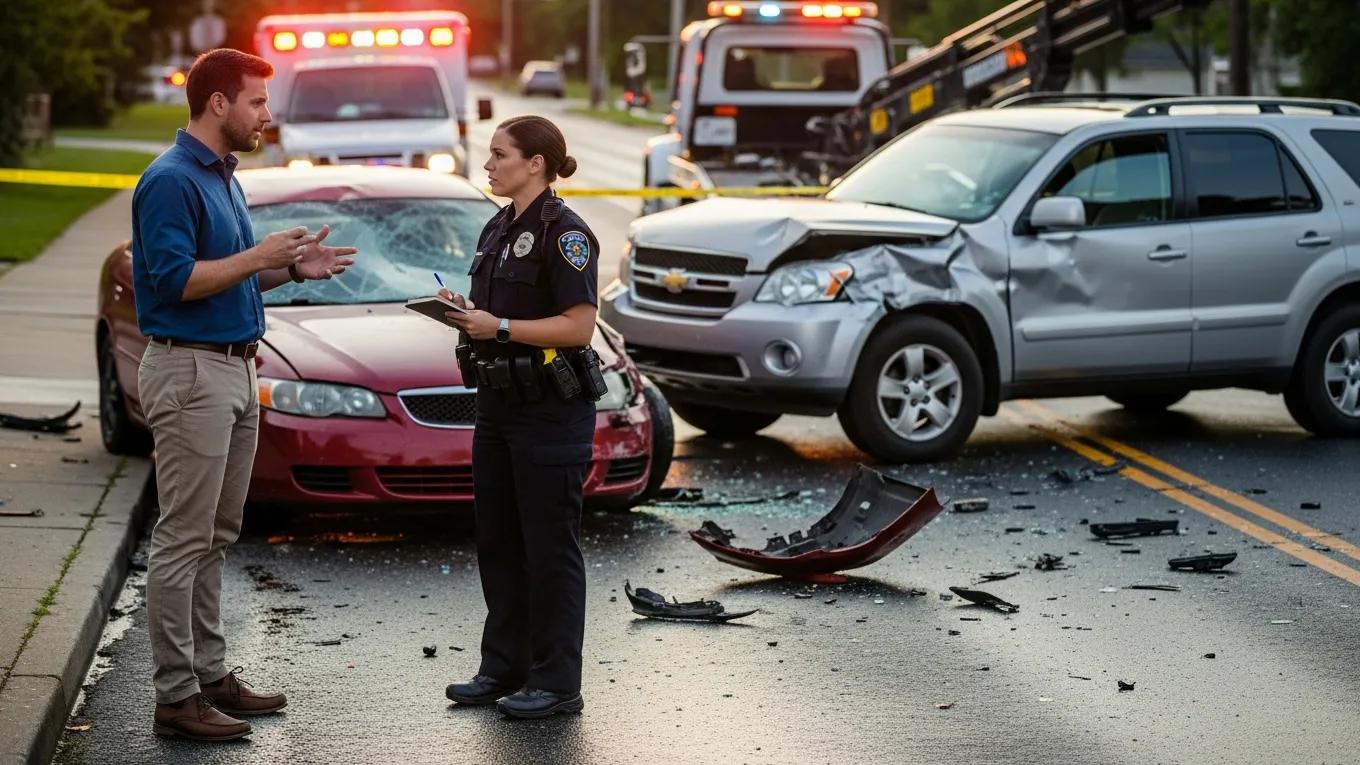
Witness testimony is a powerful form of evidence in car accident cases. Eyewitnesses can provide firsthand accounts of the events leading up to the accident, which can clarify the actions of the involved parties. Factors influencing the reliability of witness statements include the witness’s proximity to the accident, their ability to recall details accurately, and any potential biases they may have. Effective testimonies often include clear descriptions of the accident, the behavior of the drivers, and any relevant traffic conditions.
Photographic Evidence
Photographic evidence plays a crucial role in supporting claims related to car accidents. Photos of the accident scene, vehicle damages, and road conditions can provide visual context that strengthens a case. Types of photographic evidence that are particularly useful include images of the vehicles involved, skid marks, traffic signs, and the overall scene layout. Best practices for taking photos include capturing multiple angles and ensuring that all relevant details are visible.
Police Reports
Police reports are significant documents that can help establish fault in a car accident. These reports typically include an analysis of the accident, details about any traffic violations, and statements from witnesses. The presence of a police report can lend credibility to a claim, as it reflects an official investigation into the incident. Key details in police reports that are crucial for establishing fault include the officer’s observations, diagrams of the scene, and any citations issued to the involved parties.
Expert Testimony
Expert testimony can clarify complex aspects of a car accident, particularly in cases involving technical details such as vehicle dynamics or accident reconstruction. Experts may include accident reconstruction specialists, engineers, or medical professionals who can provide insights into the causes and consequences of the accident. Their analysis can help establish a clearer picture of fault and support the claims made by the injured party.
Medical Records
Medical records are vital in proving fault in personal injury claims following a car accident. These documents provide evidence of the injuries sustained and the treatment received, linking the accident to the damages claimed. Types of medical records that are important include documentation of symptoms, treatment plans, and any lost income due to the injuries. Timely medical evaluation is crucial, as it establishes a direct connection between the accident and the injuries.
Surveillance Footage
Surveillance footage can serve as compelling evidence in car accident cases. Video recordings from nearby cameras can capture the moments leading up to and during the accident, providing an objective view of the events. Types of surveillance footage that are particularly valuable include recordings from traffic cameras, business security cameras, and dashcams. Legal considerations for using footage include ensuring that it is obtained lawfully and that it accurately represents the incident.
Which Police Report Details Are Crucial for Establishing Fault?
When analyzing police reports, several key details are crucial for establishing fault in a car accident. These details include:
- Accident Analysis: The officer’s assessment of how the accident occurred.
- Traffic Violations: Any citations issued for violations that contributed to the accident.
- Witness Statements: Accounts from individuals who observed the accident.
- Photographic Evidence: Images included in the report that depict the scene.
- Involved Parties’ Information: Details about the drivers and vehicles involved.
- Accident Reconstruction: Any diagrams or sketches illustrating the accident dynamics.
How Do Police Reports Document Accident Circumstances?
Police reports document various circumstances surrounding an accident, providing a comprehensive overview of the incident. Key elements include:
- Accident Details: A narrative of the events leading to the accident.
- Traffic Violations: Documentation of any infractions committed by the drivers.
- Weather and Road Conditions: Information on environmental factors that may have influenced the accident.
- Witness Statements: Accounts from individuals who saw the accident occur.
- Diagrams and Photos: Visual representations of the accident scene.
- Injuries and Damages: A summary of the injuries sustained and property damage incurred.
What Key Information in Police Reports Supports Fault Claims?
Several key pieces of information in police reports can support fault claims in car accidents. These include:
- Accident Description: A detailed account of how the accident occurred.
- Traffic Citations: Records of any violations that may indicate fault.
- Weather and Road Conditions: Context that may have contributed to the accident.
- Witness Statements: Testimonies that corroborate the account of events.
- Diagram of the Scene: A visual representation that clarifies the positions of vehicles.
- Officer’s Observations: Insights from the responding officer regarding the accident.
How Do Witness Statements Strengthen Nevada Car Accident Fault Proof?
Witness statements are instrumental in strengthening proof of fault in Nevada car accidents. These accounts provide independent perspectives on the incident, which can corroborate or challenge the claims made by the involved parties. Factors influencing the reliability of witness testimonies include the witness’s proximity to the accident, their ability to recall details accurately, and any potential biases they may have. Effective testimonies often include clear descriptions of the accident, the behavior of the drivers, and any relevant traffic conditions.
What Makes Witness Testimonies Reliable Evidence?
Reliable witness testimonies are characterized by several factors, including:
- Proximity: Witnesses who were close to the accident are more likely to provide accurate accounts.
- Clarity: Clear and detailed descriptions enhance the credibility of the testimony.
- Consistency: Consistent statements from multiple witnesses can strengthen the case.
- Lack of Bias: Witnesses without a personal stake in the outcome are generally more credible.
How Are Witness Identities and Statements Verified Legally?
The legal verification of witness identities and statements involves several steps, including:
- Contact Information: Collecting names and contact details for follow-up.
- Statement Documentation: Recording statements in a formal manner, often through written or audio means.
- Cross-Examination: Allowing for questioning during legal proceedings to assess credibility.
What Role Does Accident Reconstruction Play in Fault Determination?
Accident reconstruction plays a critical role in determining fault by analyzing the mechanics of the accident. This process involves:
- Methodologies: Various techniques used to recreate the accident scenario.
- Types of Evidence Used: Data from physical evidence, witness statements, and expert analysis.
- Impact on Legal Outcomes: How reconstruction findings can influence the determination of fault in court.
Methodologies
Accident reconstruction methodologies include:
- Physical Evidence Analysis: Examining vehicle damage and debris patterns.
- Simulation Software: Using technology to model the accident dynamics.
- Expert Testimony: Engaging specialists to interpret the evidence and provide insights.
Types of Evidence Used
Types of evidence utilized in accident reconstruction include:
- Vehicle Damage: Assessing the extent and location of damage to determine impact angles.
- Skid Marks: Analyzing skid marks to infer vehicle speeds and braking actions.
- Witness Accounts: Incorporating testimonies to provide context to the physical evidence.
Impact on Legal Outcomes
The findings from accident reconstruction can significantly impact legal outcomes by:
- Clarifying Fault: Providing a clearer understanding of how the accident occurred.
- Supporting Claims: Strengthening the case for the injured party by corroborating their account.
- Influencing Settlements: Affecting negotiations with insurance companies based on the evidence presented.
How Do Experts Analyze Collision Dynamics to Prove Negligence?
Experts analyze collision dynamics to establish negligence by examining various factors, including:
- Vehicle Damage Analysis: Assessing the extent and nature of damage to determine impact forces.
- Skid Mark Analysis: Evaluating skid marks to infer vehicle speeds and braking behavior.
- Witness Testimony: Incorporating eyewitness accounts to provide context to the physical evidence.
- Traffic Laws and Regulations: Understanding how violations of traffic laws may have contributed to the accident.
- Mechanical Inspections: Evaluating vehicle conditions to identify any mechanical failures that may have played a role.
Which Medical Records and Injury Documentation Prove Fault in Claims?
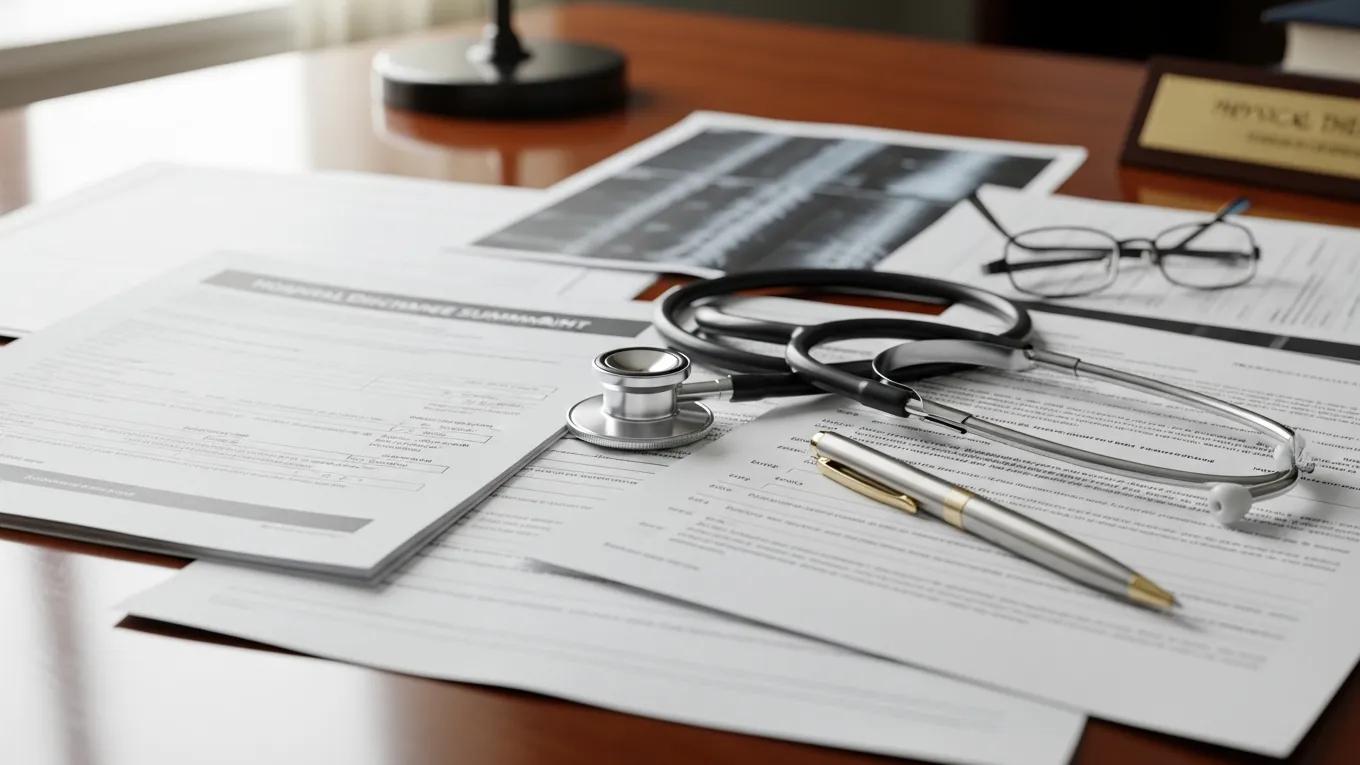
Medical records and injury documentation are essential in proving fault in personal injury claims. Key types of documentation include:
- Medical Records: Detailed accounts of injuries sustained and treatments received.
- Timely Medical Evaluation: Documentation of prompt medical attention following the accident.
- Documentation of Symptoms and Treatment: Records that outline the progression of injuries and treatments.
- Lost Income Documentation: Evidence of income loss due to injuries sustained in the accident.
- Police Reports: Official documentation that can corroborate the account of events.
- Witness Statements: Testimonies that support the claims made in the medical records.
- Photographs: Visual evidence of injuries that can enhance the credibility of the claims.
How Do Medical Records Demonstrate Injury Severity Linked to Fault?
Medical records demonstrate injury severity linked to fault by providing comprehensive documentation of the injuries sustained. Key aspects include:
- Establishing Causation: Linking the injuries directly to the accident through medical evaluations.
- Countering Insurer Arguments: Providing evidence that supports the claims against potential counterarguments from insurance companies.
- Supporting Claims for Damages: Offering detailed accounts of medical expenses and treatment needs that justify the compensation sought.
What Documentation Is Required for Effective Personal Injury Evidence?
Effective personal injury evidence requires comprehensive documentation, including:
- Medical Records: Detailed accounts of injuries and treatments.
- Timely Medical Evaluation: Evidence of prompt medical attention.
- Documentation of Symptoms and Limitations: Records that outline the impact of injuries on daily life.
- Proof of Medical Expenses: Invoices and receipts for medical treatments.
- Doctor’s Note for Time Off Work: Documentation supporting claims for lost wages.
- Personal Journal: A record of symptoms and recovery progress.
- Witness Statements: Testimonies that corroborate the account of events.
- Photographs: Visual evidence of injuries and damages.
- Accident Reports: Official documentation that provides context to the claims.
This comprehensive approach to gathering evidence is essential for building a strong case in personal injury claims following a car accident.